Destination
When should you visit Malta?
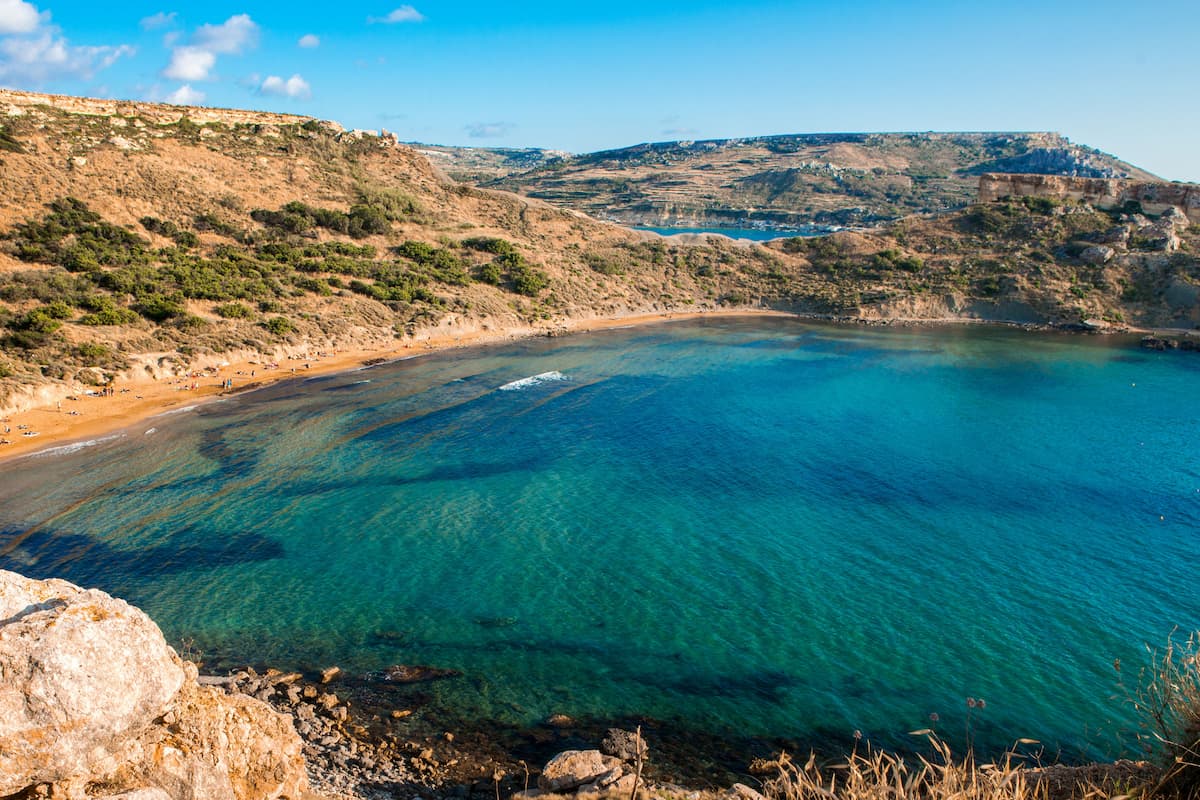
Malta is a Mediterranean island destination where historic cities, clear blue water, dramatic coastlines and lively summer nights come together. The best time to visit depends on your priorities: spring and early autumn offer a strong balance of sightseeing, beach weather and manageable crowds, while summer delivers the hottest weather, warmest swimming conditions and the busiest atmosphere. Winter is milder and generally better suited to exploring historic sites and enjoying a quieter, potentially more affordable trip.
My recommendation
September
September combines warm swimming conditions with plenty of sunshine and slightly less intense heat than July and August. It is an excellent compromise between beach weather, sightseeing, nightlife and the gradual easing of peak-season crowds.
Best overall
September
Warm sea, sunny days and a better balance between weather and crowds.
Best for sightseeing
April–May
Comfortable temperatures for walking through Valletta, Mdina and historic coastal towns.
Best for beach weather
July–September
The warmest sea conditions and long, sunny beach days.
Best value
January–February
Generally lower accommodation demand and a quieter atmosphere, with cooler and wetter weather.
Best for diving
June–October
Warm water and generally favorable seasonal conditions for exploring Malta’s underwater sites; conditions vary by day.
September scores
Plan around
What to know before you book
- Beach days and swimming
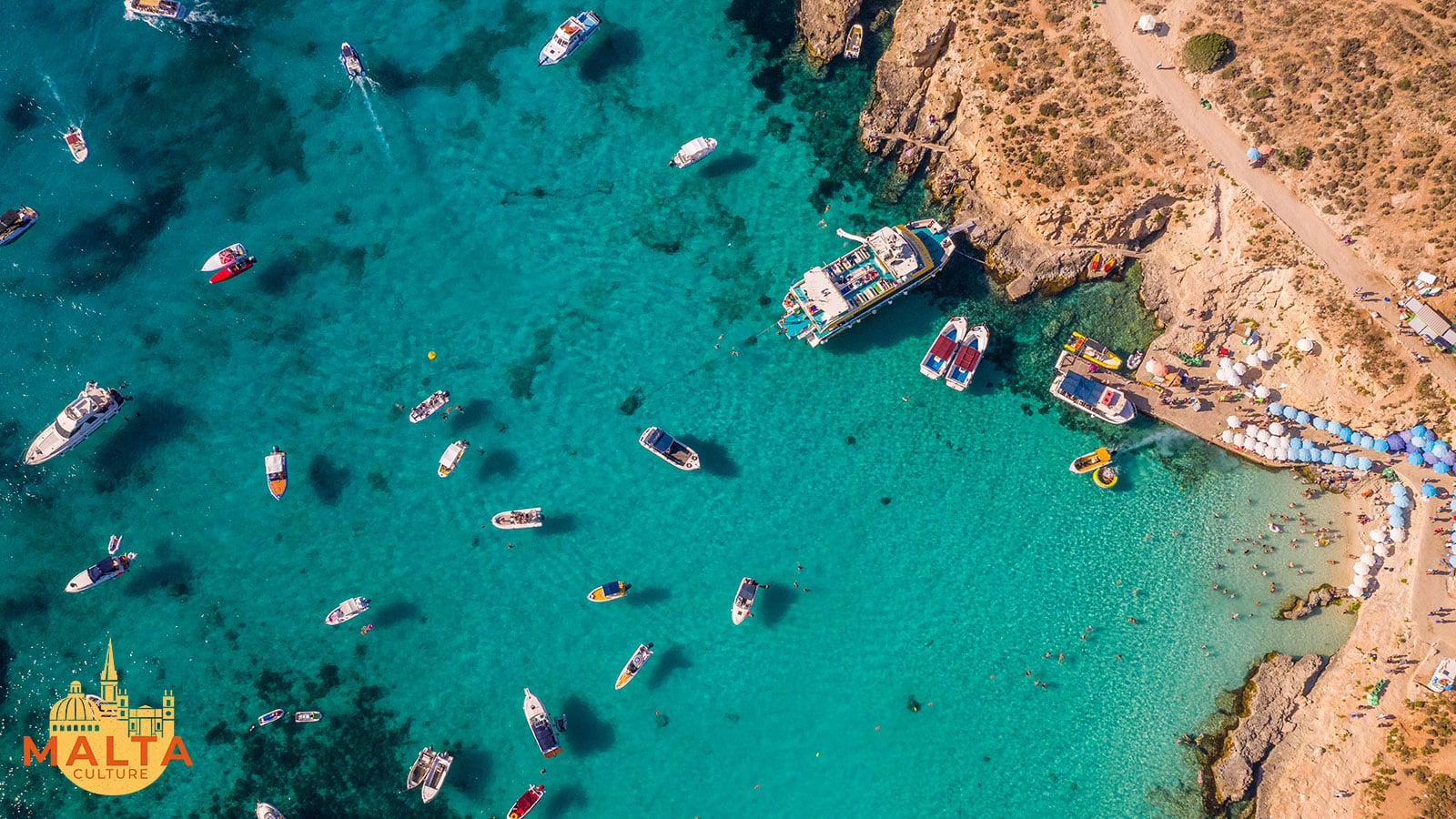
- Plan your trip around Malta’s coast, swimming spots and boat excursions during the warmer months. July and August offer the hottest weather, while June and September can provide a more balanced experience. Check wind and sea conditions before committing to boat trips.
- Historic cities and outdoor exploring
- Explore Valletta’s architecture, Mdina’s narrow streets and Gozo’s historic sites when daytime temperatures are generally more comfortable for walking. Spring usually brings greener landscapes, while autumn can still offer warm days and pleasant coastal conditions.
- Festivals and Maltese traditions
- Time your visit around Malta’s seasonal cultural calendar, from Carnival in February or March to spring fireworks festivals and summer village festas. Exact dates vary each year, so verify the official programme before booking around a particular event.
June–September
March–May and October–November
February–September
Choose your season, not just your dates
For the best all-round experience, aim for September, when the sea is warm, the summer heat begins to ease and visitor numbers start to fall. Choose May or early June for sunny sightseeing and outdoor activities before peak summer crowds arrive. If swimming is not your priority, spring and late autumn can offer better value and more comfortable conditions for exploring Valletta, Mdina and Gozo.
Month by month
All twelve months, at a glance
Tap any month for full scores, temperatures and planning notes.
Ready to book September in Malta?
Find hotels in MaltaKeep exploring
Related destinations
Other places I’d time carefully — and when I’d go.